

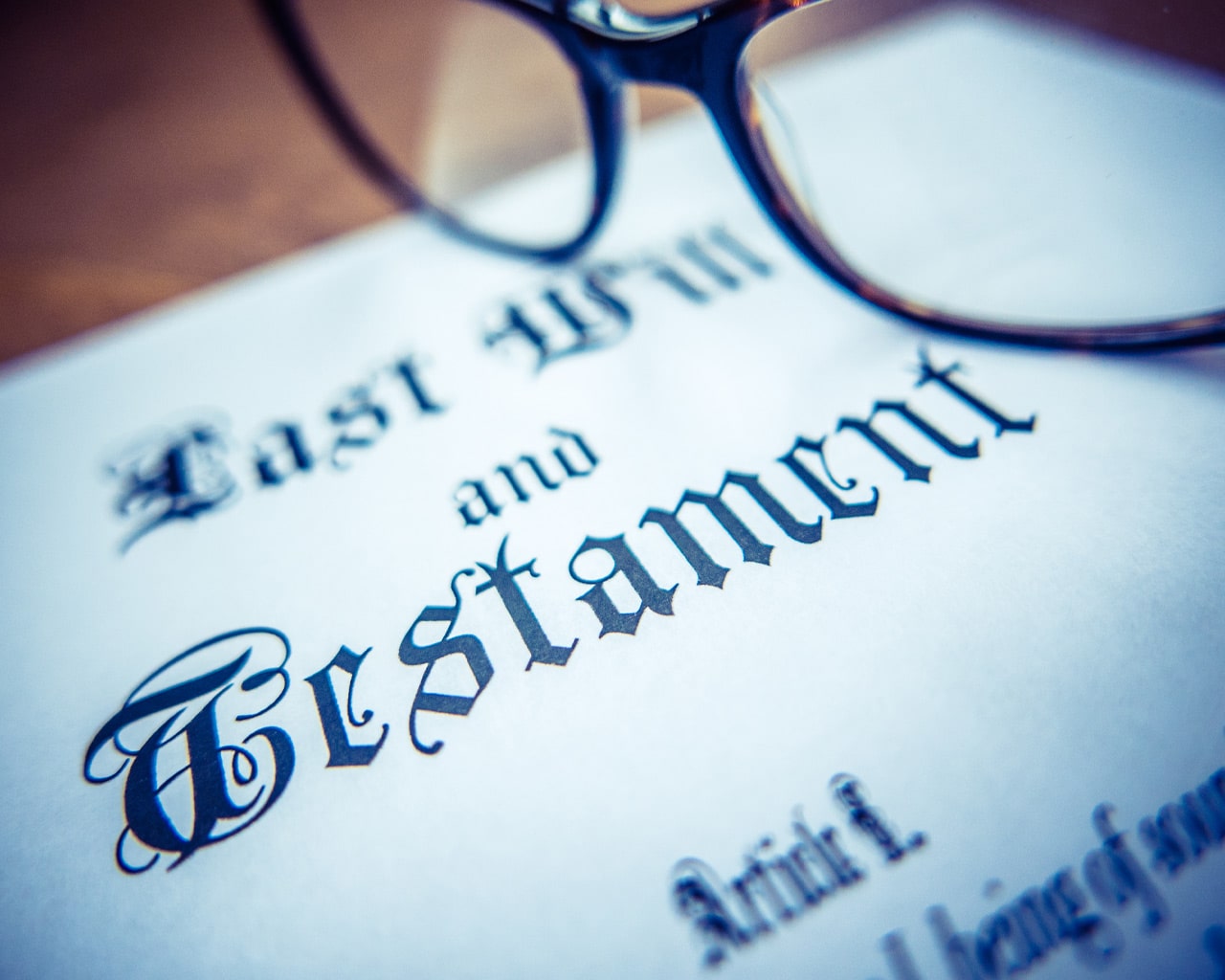
Deceased Estates and Trust Administration

When someone passes away, administering their estate involves several critical steps. Obtaining probate is often the first of these, a legal process confirming the validity of the deceased’s will and granting the executor the authority to manage the estate. If there is no will, we assist in securing a letter of administration, allowing the next of kin to take on the responsibility of distributing the estate in accordance with the law.
In addition, our expertise extends to the initiation and management of testamentary trusts, providing long-term financial security for beneficiaries according to the deceased’s wishes.
Free Resources


An Easy Guide to Estate Administration
Access our free guide to help you make informed decisions about wills, probate, and estate matters.

“Professionals through and through! There is so much specialised talent across the team at FM Law, I always feel in very capable hands. This is a firm that invests a lot into their clients, and I have always felt thoroughly looked after in all of my dealings here. The warmth and genuine understanding you get from this place makes it easy to take care of the hard things. Good family values are still alive and well in this profession, and I’m so glad we have access to such brilliant people here in Ipswich. Thank you so much, FM Law, for everything you have done for me and my family.”
Frequently Asked Questions
How would I find my partners last Will?
To find your partner’s last Will, you can start by looking in their personal papers or documents, such as a safe or filing cabinet. You can also check with their lawyer or the Public Trustee in the state or territory where they lived.
How do I go about getting a death certificate?
To obtain a death certificate, you need to contact the registry of births, deaths and marriages in the state or territory where the person died. You may need to provide
identification and other information to obtain the certificate.
How do I know who the executor of my parents Will is?
You can find out who the executor of your parent’s Will is by reviewing the Will itself, or by contacting their lawyer, the Public Trustee, or the Probate Registry in the state or territory
where they lived.
Who decides where my father or mother should be buried?
The decision of where to bury or cremate your father or mother typically falls to the executor
named in their Will, or if there is no Will, to the next of kin.
If the Will doesn’t say to bury or cremate, who makes that decision?
If the Will does not specify burial or cremation, the decision usually falls to the executor named in the Will or, if there is no Will, to the next of kin.
Can I cremate my parent, even if we cant find the Will?
You may be able to cremate your parent without a Will, but you may need to obtain a court order or the consent of the next of kin.
If there is no Will, who decides whether my parent is to be buried or cremated?
If there is no Will, the decision of whether to bury or cremate your parent typically falls to the
next of kin, in accordance with the laws of the state or territory where they lived.
Who is responsible for the funeral expenses?
Generally, the estate is responsible for the funeral expenses. This may include paying for the
funeral or cremation, as well as any related costs such as flowers or transportation.
What is Probate?
Probate is the process of proving and registering a Will in the Supreme Court of the state or territory where the deceased person lived.
Do I need to apply for Probate?
You may need to apply for Probate if you are the executor named in the Will, or if you need
to access assets or administer the estate.
Why do some banks insist on receiving Probate?
Banks and financial institutions may require Probate before releasing assets held in the
deceased’s name, in order to protect against potential claims by other parties.
What are Letters of Administration?
Letters of Administration are a legal document that allows a person to administer an estate
in cases where there is no Will or the named executor is unable or unwilling to act.
What will happen to my business if I die?
Your business can be sold, transferred or liquidated, depending on the provisions in your
Will.
What is intestacy?
Intestacy is the situation that occurs when a person dies without a valid Will. The distribution of their estate is then governed by the intestacy laws of the state or territory
where they lived.
Can anyone apply for Letters of Administration?
In general, only certain family members or other eligible persons can apply for Letters of
Administration in cases of intestacy, depending on the laws of the state or territory where
the deceased person lived.
Does the Estate need to pay any tax that the deceased owed?
The estate may need to pay any outstanding tax debts owed by the deceased, including
income tax and capital gains tax.
If no one is willing or able to act as an administrator on intestacy, who then administers an estate?
If there is no one willing or able to act as administrator on intestacy, the Public Trustee in the
state or territory where the deceased person lived may be appointed to administer the
estate.
My recently deceased sister and I owned an investment property in tenants in common, do we need to obtain Probate to transfer the property?
If you and your sister owned the investment property as tenants in common, you may need
to obtain Probate to transfer ownership of the deceased’s share of the property.
Do we have to pay land tax on my deceased fathers home when we sell it? What about capital gains tax?
Whether or not you need to pay land tax or capital gains tax on your deceased father’s
home when you sell it depends on a variety of factors, including the value of the property,
the length of time it was owned, and the specific tax laws of the state or territory where it is
located. It is best to consult with a lawyer or accountant for specific advice on tax matters
related to the sale of the property.
Fallu McMillan: Ipswich Wills and Estate Lawyers

Book Your Initial Consultation Now